Start with a comparable configuration
LED bathroom mirror wholesale prices depend on the selected product, quantity, evidence, packaging and delivery scope. Jiachuang Mirror confirms commercial terms against that configuration rather than treating one platform image as a fixed-price specification. Give each supplier the same model direction, dimensions, light layout, controls, anti-fog preference, electrical version and mounting assumptions. Separate required features from optional alternatives and unresolved items. This lets a buyer see whether a quotation answers the same brief before interpreting the difference between unit prices.
Size, shape and construction change the product scope
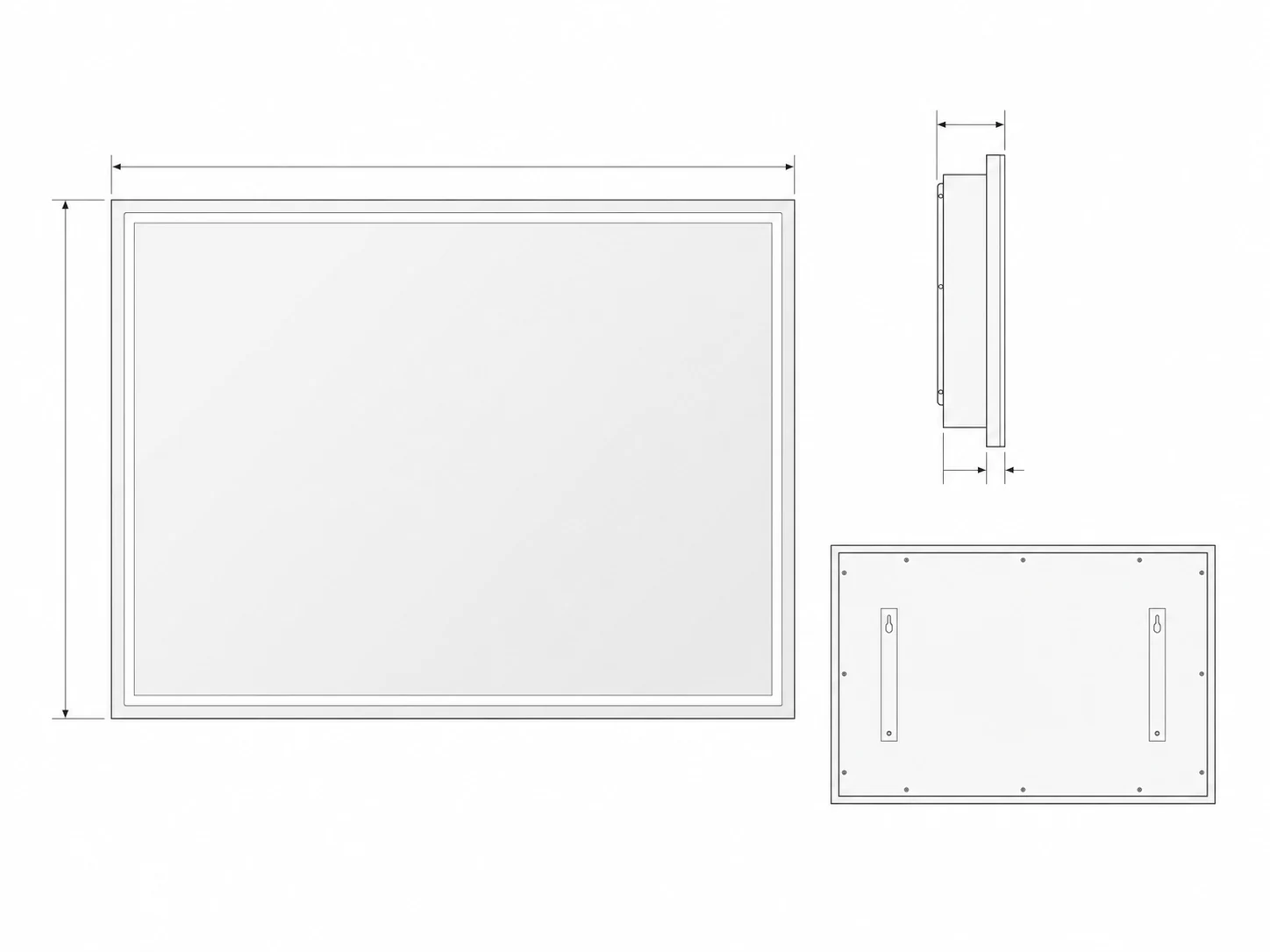
Overall width and height, orientation, mirror shape, frame construction and light position affect the materials, processing and assembly being quoted. A wide double-vanity project, a framed retail design and a mirror cabinet need different installation and packaging questions even when all are described as LED bathroom mirrors. Link dimensions to the drawing revision and record any finish or edge reference. If a supplier proposes a change, ask for the revised configuration and assumptions so the comparison remains attached to a defined product.
- Width, height, orientation and relevant depth
- Shape, frame profile, visible edge and finish reference
- Light position and mounting approach
- Drawing revision and proposed changes
Lighting and controls must describe the same result
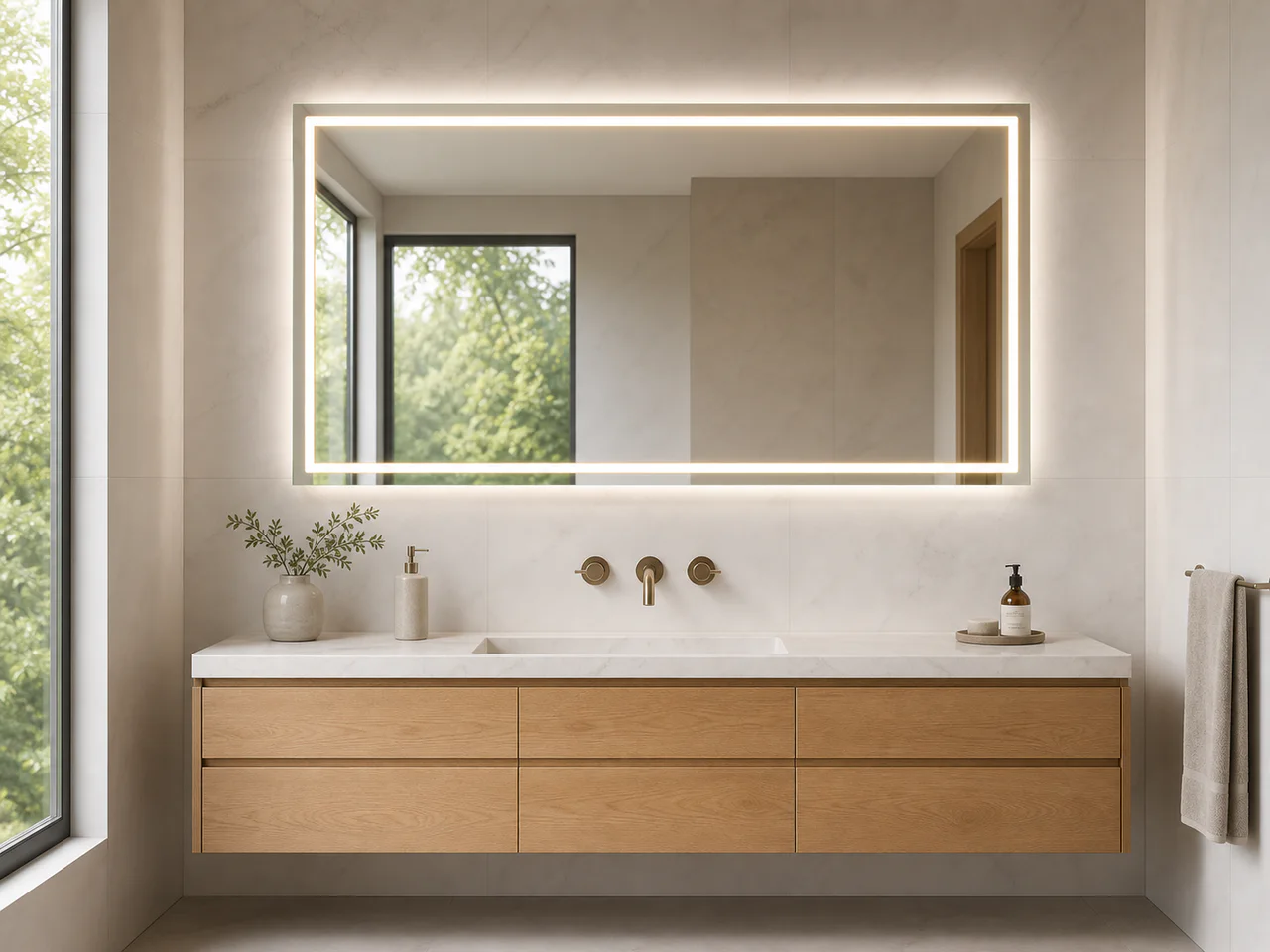
Compare front-lit, backlit and dual-light constructions by the intended lighting role. Front lighting creates visible illuminated zones, while a backlit halo depends on wall and mounting conditions. Keep colour-temperature preferences separate from output and colour-rendering requests. Dimming, selectable colour temperature, touch control and wall-switch operation can change the component and operating requirements. Record the expected power-on state, memory behaviour and independent light zones. A quotation that simply lists smart control is not enough to show that two suppliers have included the same sequence.
Anti-fog and installation need configuration review
For anti-fog, describe the user clear zone and its position before asking for a pad layout. The final arrangement must fit around lighting, controls, mounting and rear components. Performance evidence, electrical values and clearances require confirmation for that construction. Also align the planned supply, connection method, power entry, wall surface and service access. These inputs help the supplier identify the required electrical and mounting version. Keep unconfirmed values marked as targets or questions instead of treating a preliminary quotation as a verified engineering specification.
Include destination-market and evidence requirements
State the country and sales channel, then identify the requested documentation, labels, instructions and inspection evidence. Any certification or test route is model- and market-specific. Confirm the final construction, applicable scope and supporting records rather than treating CE, UL, ETL or another mark as a generic product option. If suppliers quote different evidence or document scopes, record the difference alongside the price. Keep the product code, drawing, component specification and model identity connected so requested reports or declarations relate to the configuration being considered.
Align quantity, branding and packaging
Provide the initial order quantity, variants and repeat-order assumptions. Record product naming, logo placement, instructions, labels, barcode data and carton artwork with their approval status. Packaging must fit the selected mirror and intended handling route: containerised wholesale supply, parcel delivery and room-by-room project distribution can require different protection and identification decisions. Check included accessories and any project room or block labels. Compare the physical packaging scope as well as presentation; approved artwork alone does not establish a packed-sample reference or protection specification.
Compare written terms and control later changes
Use a comparison sheet that connects each supplier response to the same drawing, option list, sample status, quantity and delivery scope. List assumptions and exclusions explicitly. MOQ, price, sample terms, production schedule, warranty and spare-parts support are confirmed in the written quotation for the selected configuration. When a sample review changes the light layout, control sequence, labels or pack, return those changes to the comparison before approving the order. Keep the approved drawing, sample notes and packaging record together for inspection and repeat-order discussions.
- Selected model, drawing revision and option list
- Sample objective, evidence and approval status
- Quantity, branding, packaging and included parts
- Documentation, inspection and delivery scope
- Written commercial terms and outstanding confirmations
| Start with a comparable configuration | LED bathroom mirror wholesale prices depend on the selected product, quantity, evidence, packaging and delivery scope. Jiachuang Mirror confirms commercial terms against that configuration rather than treating one platform image as a fixed-price specification. Give each supplier the same model direction, dimensions, light layout, controls, anti-fog preference, electrical version and mounting assumptions. Separate required features from optional alternatives and unresolved items. This lets a buyer see whether a quotation answers the same brief before interpreting the difference between unit prices. |
|---|---|
| Size, shape and construction change the product scope | Overall width and height, orientation, mirror shape, frame construction and light position affect the materials, processing and assembly being quoted. A wide double-vanity project, a framed retail design and a mirror cabinet need different installation and packaging questions even when all are described as LED bathroom mirrors. Link dimensions to the drawing revision and record any finish or edge reference. If a supplier proposes a change, ask for the revised configuration and assumptions so the comparison remains attached to a defined product. |
| Lighting and controls must describe the same result | Compare front-lit, backlit and dual-light constructions by the intended lighting role. Front lighting creates visible illuminated zones, while a backlit halo depends on wall and mounting conditions. Keep colour-temperature preferences separate from output and colour-rendering requests. Dimming, selectable colour temperature, touch control and wall-switch operation can change the component and operating requirements. Record the expected power-on state, memory behaviour and independent light zones. A quotation that simply lists smart control is not enough to show that two suppliers have included the same sequence. |
| Anti-fog and installation need configuration review | For anti-fog, describe the user clear zone and its position before asking for a pad layout. The final arrangement must fit around lighting, controls, mounting and rear components. Performance evidence, electrical values and clearances require confirmation for that construction. Also align the planned supply, connection method, power entry, wall surface and service access. These inputs help the supplier identify the required electrical and mounting version. Keep unconfirmed values marked as targets or questions instead of treating a preliminary quotation as a verified engineering specification. |
| Include destination-market and evidence requirements | State the country and sales channel, then identify the requested documentation, labels, instructions and inspection evidence. Any certification or test route is model- and market-specific. Confirm the final construction, applicable scope and supporting records rather than treating CE, UL, ETL or another mark as a generic product option. If suppliers quote different evidence or document scopes, record the difference alongside the price. Keep the product code, drawing, component specification and model identity connected so requested reports or declarations relate to the configuration being considered. |
| Align quantity, branding and packaging | Provide the initial order quantity, variants and repeat-order assumptions. Record product naming, logo placement, instructions, labels, barcode data and carton artwork with their approval status. Packaging must fit the selected mirror and intended handling route: containerised wholesale supply, parcel delivery and room-by-room project distribution can require different protection and identification decisions. Check included accessories and any project room or block labels. Compare the physical packaging scope as well as presentation; approved artwork alone does not establish a packed-sample reference or protection specification. |
| Compare written terms and control later changes | Use a comparison sheet that connects each supplier response to the same drawing, option list, sample status, quantity and delivery scope. List assumptions and exclusions explicitly. MOQ, price, sample terms, production schedule, warranty and spare-parts support are confirmed in the written quotation for the selected configuration. When a sample review changes the light layout, control sequence, labels or pack, return those changes to the comparison before approving the order. Keep the approved drawing, sample notes and packaging record together for inspection and repeat-order discussions. |